An explosion-proof light is only explosion-proof as long as it stays in the condition it was certified in. A cracked lens, a missing screw, a flattened O-ring or a cheap replacement battery can quietly turn a certified light into an ignition source, and nothing about it looks different from the outside. Portable lights are also the most abused equipment on a hazardous site: dropped, sat on, left in the rain, lent and borrowed.
This guide sets out a practical maintenance routine for fleets of explosion-proof flashlights, headlamps and searchlights, based on the inspection and repair principles of the IEC 60079 series.
Why maintenance is part of the certification
Each protection method depends on physical details:
- Intrinsic safety (Ex i) depends on the battery, the circuit and the components limiting energy. A different cell, a modified circuit or a damaged protective component can break the energy limits.
- Flameproof enclosures (Ex d) depend on the housing strength and the precise gaps of the flame paths, such as threads and spigot joints. Corrosion, damage or missing fasteners can let flame escape.
- Sealing and ingress protection keeps water and dust away from contacts and electronics. Water inside a battery compartment can cause corrosion, leakage or short circuits.
That is why the certificate's conditions, the manufacturer's instructions and the inspection standard all matter as much as the original marking. See intrinsically safe vs flameproof for how each method works.
The inspection framework: IEC 60079-17
IEC 60079-17 covers inspection and maintenance of electrical equipment in explosive atmospheres. It defines three grades of inspection:
| Grade | What it involves | For portable lights in practice |
|---|---|---|
| Visual | Looking for defects without tools or opening the equipment | Before every use and on issue: housing, lens, marking, closures |
| Close | Visual plus defects found only with tools or close attention, such as loose fasteners | Periodic workshop check: screws, seals visible at closures, contacts, charging port |
| Detailed | Close plus defects found only by opening the equipment | When a battery compartment is opened, after damage, or as the manufacturer specifies |
The standard also notes that portable equipment is especially prone to damage and misuse, so its inspection intervals are shorter than for fixed equipment. Many operators combine a user check before every use with a recorded close inspection at regular intervals, often every 6 to 12 months, adjusted to how hard the lights are used. Inspections should be done by people trained in explosion protection.
Daily check: what users should look at
A thirty-second check before use catches most problems:
- Marking label present and readable. A light without a readable rating label cannot be shown to be certified.
- Housing free of cracks, deep dents or melted areas.
- Lens intact, not cracked or loose.
- Closures: tail cap, battery cover and charging-port cover fully closed and locked. A charging cover left open removes the ingress protection.
- Fasteners: no missing screws, especially on flameproof heads.
- Function: all modes work; no flickering.
Any light that fails the check goes back to the store and is not used "just this once".
Seals, lenses and housings
- O-rings and gaskets harden, crack and flatten with age, heat and chemicals. Check them whenever a light is opened, and replace them only with the manufacturer's specified parts.
- Lenses get scratched and crazed by solvents. A crazed lens can crack on impact; replace through the manufacturer.
- Flameproof threads and joints must be kept clean and protected as the manufacturer instructs. Never file, grind or paint flame paths, and never use a light with damaged threads.
- Cleaning: use mild detergent and fresh water. Some solvents attack polycarbonate housings and lenses. After offshore or chemical exposure, rinse and dry before charging.
Lithium batteries: the most important part to get right
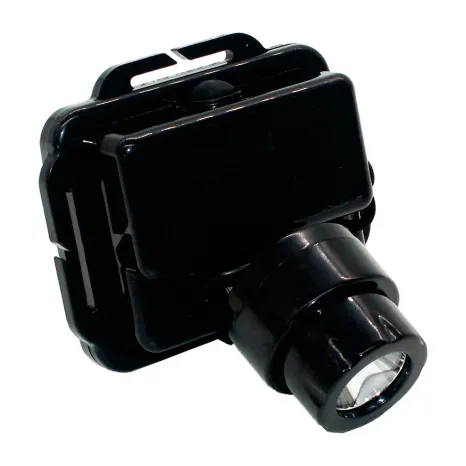
Most modern explosion-proof lights use lithium-ion cells. For intrinsically safe lights in particular, the cell is part of the certified design: certificates commonly name the exact cell type. One of our older Chinese certificates, for example, specifies a single 3.7 V, 2000 mAh lithium-ion cell of a stated model for a headlamp.
- Use only the specified cell or battery pack. A cell with the same voltage and size but a different internal design can release more energy in a fault, which breaks intrinsic safety.
- Charge only with the specified charger and only in a safe area, unless the certificate explicitly allows otherwise.
- Store lights partly charged in a cool, dry place when they will not be used for weeks, and top them up every few months.
- Withdraw immediately any light with a swollen, leaking or hot battery, or one that no longer holds charge.
- Plan replacement by runtime. Lithium cells lose capacity with cycles. When a light no longer lasts a full shift on its working setting, it is due for battery service or replacement, whichever the manufacturer allows.
What users may and may not repair
| Usually acceptable (if the manual allows) | Not acceptable in the field |
|---|---|
| Replacing straps, clips and lanyards | Replacing cells or circuit boards with non-specified parts |
| Replacing O-rings and lens with manufacturer's spare parts | Modifying the circuit, LED or switch |
| Cleaning contacts and closures | Machining, filing or painting flameproof joints |
| Changing the battery pack where the manual describes it | Drilling, gluing or patching the housing |
Repairs beyond simple user maintenance belong with the manufacturer or a repair facility working to IEC 60079-19, which covers repair, overhaul and reclamation of Ex equipment and how repaired equipment is marked. For low-cost portable lights, replacement is often cheaper and safer than repair.
When to retire a light
- Cracked housing or lens that cannot be replaced with original parts.
- Damaged flameproof threads or joints.
- Missing or unreadable marking label.
- Battery that no longer covers a shift, where battery service is not available.
- Any unauthorised modification.
- Water found inside the battery compartment or electronics.
Retired lights should be clearly marked and kept out of circulation so they are not reissued by mistake.
Records for a lighting fleet
A simple register makes inspection practical and audit-ready:
- Unique number engraved or labelled on every light.
- Model, Ex marking, certificate number and date of issue.
- Inspection dates, grade, findings and inspector.
- Battery service or replacement dates.
- Withdrawal and disposal records.
Lithium batteries from retired lights go to proper battery recycling, not general waste.
Choosing lights that are easier to maintain
Maintenance starts at the purchase. When choosing a fleet:
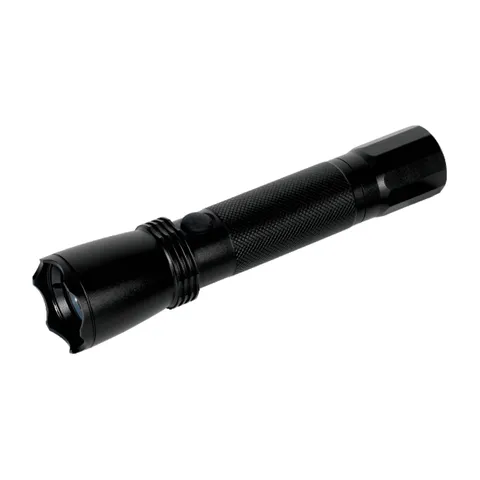
- Standardise on a few models so spares, chargers and training are simple. A fleet built around, say, the HZ7623 flashlight and the HZ5130 headlamp is easier to manage than ten different models.
- Choose lights with clear, durable marking labels and instructions in your language.
- Check that spare seals, lenses and battery packs are available, and for how long.
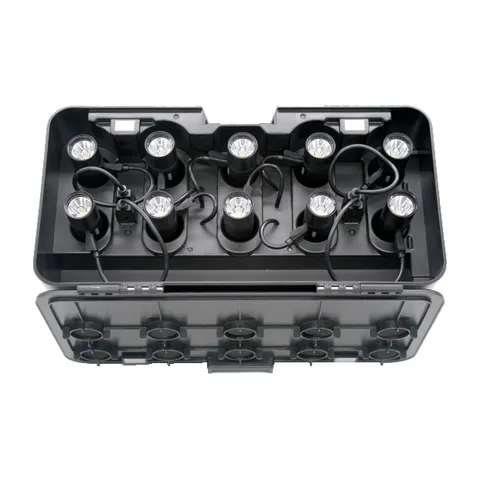
- Use multi-slot charging cases such as the HZ1110 so charging happens in one safe place.
Tell us the size of your fleet and how the lights are used through the inquiry form, and we will recommend models, spares and a charging setup. For headlamp and flashlight selection, see our flashlight buying guide and headlamp guide.
Frequently asked questions
How often should explosion-proof flashlights be inspected?
A visual check by the user before every use, plus a recorded close inspection at regular intervals, often every 6 to 12 months depending on use. IEC 60079-17 notes that portable equipment needs more frequent inspection than fixed equipment.
Can I replace the battery in an intrinsically safe flashlight with any lithium cell?
No. The battery is part of the certified design and certificates often name the exact cell. Use only the cell or pack the manufacturer specifies.
Can I charge an explosion-proof light in the hazardous area?
Normally no. Most certificates require charging with the specified charger in a safe area.
Who can repair explosion-proof lights?
Users can do simple maintenance the manual allows, such as straps and specified seals. Other repairs belong with the manufacturer or a repair facility working to IEC 60079-19.
When should an explosion-proof light be retired?
When the housing, lens or flameproof joints are damaged, the marking is unreadable, water has entered, the battery no longer covers a shift, or the light has been modified.
Further reading
- IEC 60079-17: Explosive atmospheres, electrical installations inspection and maintenance
- EN IEC 60079-19: Explosive atmospheres, equipment repair, overhaul and reclamation
- IECEx: International Electrotechnical Commission System for Certification to Standards Relating to Equipment for Use in Explosive Atmospheres
Industries: Oil, Gas & Petrochemical · Mining & Tunnelling · Ports, Marine & Offshore
Product lines: Explosion-Proof Flashlights · Explosion-Proof Headlamps
Need lights for a project? Send the zone, gas group and quantities and we will suggest models and a price.
Get a quote